
Hot Weather Safety Tips for Dogs

Most dog owners long for the summer season to enjoy long days and warm nights with their pups. What's better than watching your dog be a dog, roaming the outdoors and not forcing you to stand in the cold while they take 10 minutes to find a poop spot?! With fresh scents in the air to sniff, squirrels to bark at through the gate, and extra chances to socialize, new adventures are ready to happen. But with summer comes heat, but most hot weather safety tips for dogs treat every dog the same. Yet, a French Bulldog in July and a Labrador Retriever in July are not experiencing the same afternoon the same way; a brand-new puppy and a three-year-old mature dog do not share the same heat tolerance or the same developmental needs. With more than 20 years of experience raising purebred and designer puppies at Posh Puppies Indiana, we have seen what happens when owners are prepared for summer with a puppy and what happens when they are not. This guide draws on both veterinary research and hands-on breeding experience so you can spend summer actually enjoying the time with your pup.

Summer With Dogs Requires Extra Care
The difference between a dog and a human in the heat is not just a matter of temperature. Dogs lack the full-body sweating mechanism that makes warm weather tolerable for people. Instead, as most of us already know, dogs pant, and this greatly changes how their bodies handle heat.

The Biology of Why Dogs Struggle With Heat
A dog cools itself almost entirely by panting. At rest, a dog breathes roughly 40 times per minute. When body temperature climbs, that rate rises toward 400 breaths per minute as the dog pushes air across the moist surfaces of its nose, mouth, and lungs. Evaporation does the work, but with humidity, direct sun, or continuous exercise, a dog's heat tolerance begins to fade.
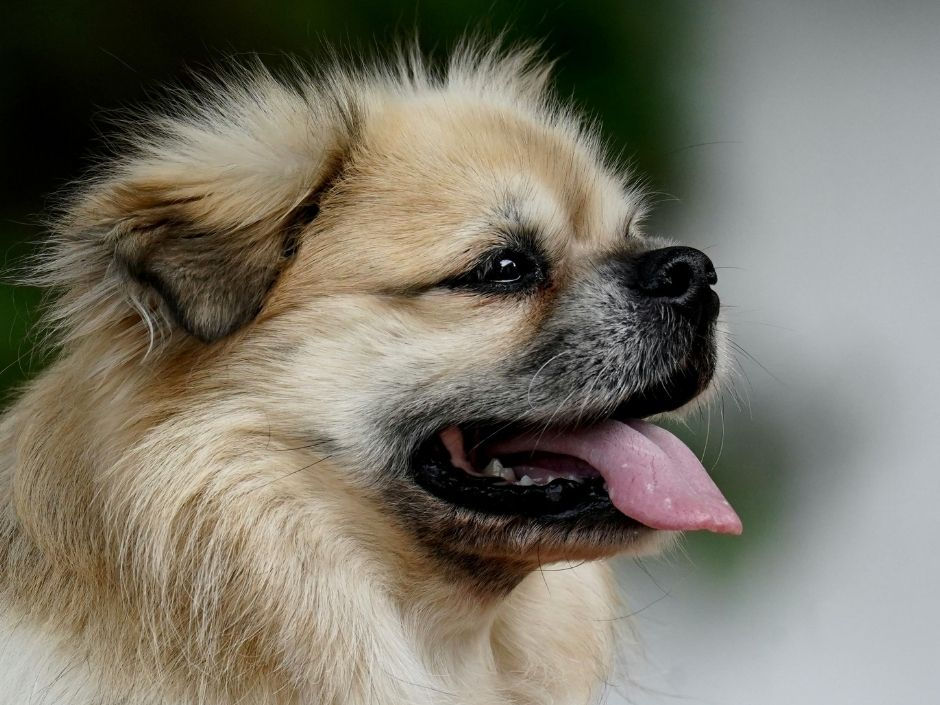
The critical internal temperature for a dog is 105° Fahrenheit. At this threshold, veterinarians classify a dog as having entered heatstroke. A dog's normal internal body temperature sits at 101.5°F, leaving little room for a dog's temperature to rise before risk. With only a 3.5° gap between normal and dangerous, dog owners must be extra attentive of their dog during heat waves and in desertous parts of the country like Las Vegas and New Mexico. The two most common indicators of heatstroke in dogs are respiratory changes and lethargy. In over 856 heat-related illness events in dogs, respiratory changes appeared in 68.73% of heatstroke cases and lethargy in 47.79%. Early warning signs are not always dramatic. One sign is if your dog's panting does not slow down once it rests. If your puppy beings to show weakness, glazed eyes, or confusion, the situation has become urgent.
Which Dogs Are at Highest Risk of Heatstroke?
Age, weight, and pre-existing health issues all affect how well a dog can manage heat. Puppies and senior dogs have less efficient thermoregulation than healthy adult dogs. Overweight dogs carry heat longer because fat tissue insulates. Dogs with heart or respiratory conditions like heart murmurs already have a compromised system that struggles with hotter weather.
These conditions describe a significant portion of the pets that end up in emergency veterinary clinics during summer heat waves. When a dog shows early overheating signs, both what you do and how quickly you do it matters. Move your dog into shade or air conditioning immediately. Apply cool water to the dog's neck, armpits, and groin. Fan the wet areas to help evaporation work faster. An important note is avoid cold water and ice. Cornell University College of Veterinary Medicine's summer heat safety protocol for dogs notes that ice water causes peripheral vasoconstriction, reducing blood flow to your pup's skin, trapping heat in your dog's core and worsening the condition. Serious damage from heatstroke is not always visible on the surface.
Flat-Faced Dog Breeds Sensitivity to Summer Heat
Breeds like Pugs, French Bulldogs, and Shih Tzus with shorter, snub-noses are significantly more vulnerable to heat-related problems, and in ways that are both predictable and preventable. These brachycephalic breeds, including Boxers and Cavalier King Charles Spaniels, face an increased lev.wel of risk during the summer than most other dogs because of their nasal airway anatomy.
How Brachycephalic Obstructive Airway Syndrome Relates to Heatstroke

Brachycephalic Obstructive Airway Syndrome, aka BOAS, is the name for the structural malformation that affects short-muzzled breeds. Narrowed nostrils, an elongated soft palate, and a shortened trachea restrict airflow in ways that become dangerous when a dog needs to cool itself quickly. A dog with compromised airways is unable to increase its breathing rate to push heat out through evaporation as easily as a dog with a "normal" snout.
Analysis of health records of over 905,000 dogs identified striking breed-specific differences on heatstroke incidence (HRI) like heat exhaustion and heatstroke. French Bulldogs were 6.5 times more likely to develop heatstroke than Labrador Retrievers. English Bulldogs faced 14 times the risk. Pug and Cavalier King Charles Spaniels faced three times the risk. For anyone considering a French Bulldog puppy or a Pug puppy from Posh Puppies Indiana, the data serves as meaningful education.
Hot Temperature Limits for Flat-Faced Dog Breeds
For most dogs, outdoor temperatures of 80°F and above is when owners should begin reducing or restricting outdoor exercise. For snub-nosed breeds, that threshold drops to 75°F, based on veterinary guidance compiled with emergency veterinary input. During Indiana's Midwest summers, 75° with moderate humidity is average, but the heat and humidity often exceed these limits. Air conditioning becomes a necessity rather than a comfort for dogs.
Veterinarians note that the head and muzzle anatomy of brachycephalic breeds makes it harder to lower body temperature through panting, and that even mild exertion on a warm day can push them past a safe level. Short walks during the cooler hours of the morning or evening, consistent access to indoors, and close attention to early signs of distress are the ways to manage your dog's health throughout the summer.
Hot Pavement Safety Tips For Dog Owners
We often don't realize how hot the pavement is as we walk around in shoes, but in direct summer sunlight it can exceed the air temperature by up to 60°F. There are very real consequences for any dog, and even more so for puppies.
When to Walk and When to Wait
Most people schedule walks with their dogs around their own work schedules and general convenience without thinking twice about the pavement temperature. The day's actual peak heat falls in the late afternoon, between 3pm and 5pm, despite the most direct sunlight hitting at noon. Morning walks before 10am and evening walks after the sun has been down for at least 30 minutes offer must safer pavement conditions.

The American Veterinary Medical Association recommends choosing cooler hours of the day or early evening specifically to protect paw pads and reduce heat intake from ground surfaces. A dog near the ground experiences pavement temperatures and heat waves in ways a person standing upright simply does not.
Why Puppy Paws Need Extra Protection From Hot Surfaces
Adult dogs develop toughened paw pads over time, but a puppy's paw pads are still tender, thinner, more sensitive, and far easier to burn than the pads of a mature dog. Here's a practical test to check if pavement is too hot for dogs: press your palm flat against the pavement, and if you cannot hold it there comfortably for 10 seconds, the surface is too hot for your dog to walk on. For a puppy, any surface that makes you think twice should be treated as off limits. Grass, shaded paths, and well-watered yards offer substantially safer surfaces during summer afternoons.
Young dogs also regulate body temperature from the ground up; hot asphalt raises their core temperature faster because they are so much closer to the heat source. This doesn't mean to eliminate walks during the summer, but it's best to plan them around cooler temperatures and pavements.

What Does Your Puppy's First Summer Require From You?
During your first summer with your new puppy, expect shorter outdoor sessions and considerate planning around socialization even when the heat keeps you indoors. The heat that makes a day uncomfortable for you can easily overwhelm a young puppy in minutes, but the developmental window that opens during their first weeks should not pause because the temperature climbed.
Heat Limits and Exercise Needs for Young Puppies
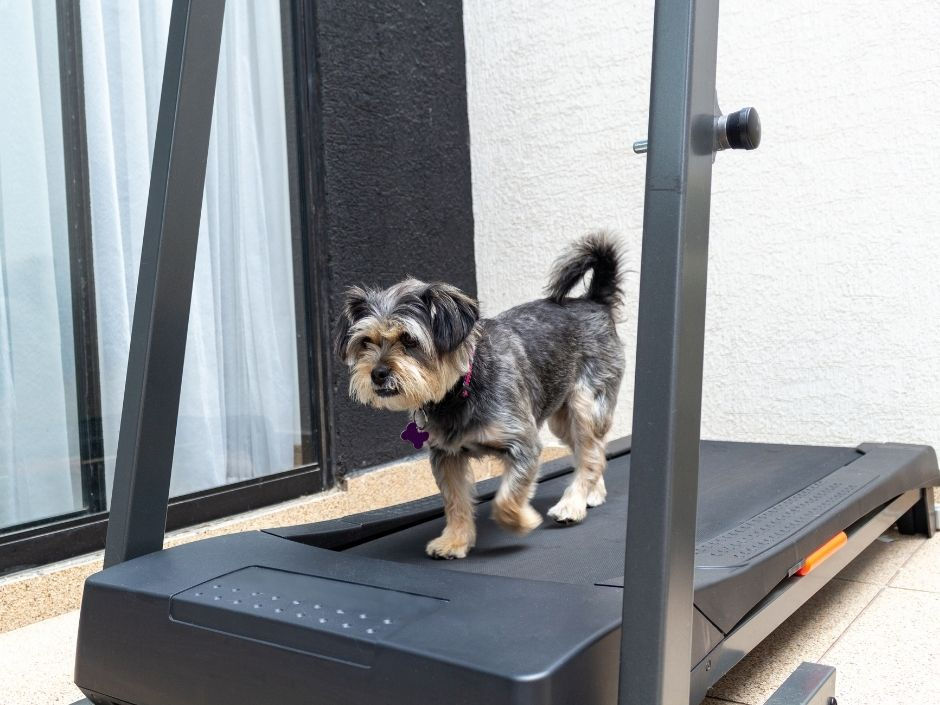
The actual exercise needs of a young puppy during the summer are much smaller than most owners expect. Short sessions of roughly 15 to 20 minutes a day during the first few months provide ample physical activity for puppies still building their muscles and cardiovascular systems. In summer heat, even brief windows require timing around the cooler parts of the day and careful attention to how the puppy is responding.
Rather than forcing outdoor playtime and walks during peak heat, focus on indoor enrichment through puzzle feeders, basic command training, and sensory exposure to new surfaces and sounds. A puppy whose outdoor time gets shortened by heat is not shortchanged as long as their brain is engaged.
Remember, at 86° Fahrenheit with 70% humidity, conditions feel closer to 97° for a dog, per Cornell Riney Canine Health Center veterinary guidance. Planning outings around the heat index rather than temperature alone is a habit that protects puppies and adult dogs throughout the season.
Move Your Puppy's Summer Socialization Indoors
The primary socialization window for a puppy runs from approximately 3 to 14 weeks of age. Just because it's hot outside doesn't mean you have an excuse to suspend or delay your puppy's socialization. A puppy who misses exposure experiences may fall behind on special developmental milestones that shape how they navigate the world for the rest of their life.
Research cited by the AKC places the influence of environment, socialization, nutrition, and management at approximately 65% of a dog's behavioral development, with genetics accounting for the remaining 35%. We encourage you to find ways to cover that 65% by inviting different people to visit and being consistent with brief training sessions. Utilize the outdoors through short, controlled exposures and don't forget to do potty training.
This is where the breeder relationship matters. Posh Puppies Indiana begins socialization before puppies ever leave our program. The work new owners continue during that first summer is a direct extension of what started in the litter environment. For families who adopted a puppy this spring and are now heading into their first warm months together, the foundation is in place
For those considering a Cavalier King Charles Spaniel or any other breed from Posh Puppies Indiana, breed-specific summer guidance is part of how we prepare every new owner.
Cooling Strategies That Work
Most summer cooling advice is solid. Two specific pieces of conventional wisdom, though, do more harm than good when owners follow them without understanding the reasoning behind them.

How Much Water Does Your Dog Need in Summer Heat?
Dogs need between 0.5 and 1 ounce of water per pound of body weight on a typical day. During active outdoor time in summer heat, they begin needing more. Offer water every 15 to 20 minutes rather than waiting for your dog to signal thirst. A dog experiencing early heat stress will often not seek water on its own, but by the time behavioral thirst appears, mild dehydration has often already started.
Ice cubes added to the water bowl are safe and enjoyable for most dogs. A portable collapsible bowl and a water bottle should travel with you on any summer outing longer than a short walk. For dogs who gulp water quickly, offering smaller amounts more frequently is more effective than a single large serving after extended outdoor time.
The Shaving Myth and Why a Dog's Coat Matters in Summer
The instinct to shave a thick coat in summer is understandable, yet counterproductive. Dog's with double coat have insulation from their undercoat, and the outer coat acts as a guard, helping to protect from both heat and cold. Double coats trap cooler air against the skin and protect from direct solar radiation. Removing it exposes the skin to sunburn and strips the layer doing the temperature regulation work.
The AKC's summer guidance recommends a seasonal trim, but shaving should be avoided. For double-coated breeds especially, regular brushing helps remove loose undercoat while improving airflow, and is the correct approach. When emergency cooling is needed, drenching the dog with cool water so that it reaches the skin matters far more than any grooming change.
Doghouses, Cooling Mats, and Shade
A doghouse is shade with walls, and the walls are the problem. In summer, an enclosed structure traps heat faster than the outdoor air releases it, making it hotter inside than outside within a short time. Open shade from trees, shade sails, or umbrellas allows air movement and is far more effective.
Cooling mats, wading pools, and misting fans are reasonable additions for dogs who spend supervised time outdoors. They extend safe outdoor time — they do not replace the judgment about whether outdoor time is appropriate at all given the heat index, the breed, and the time of day.
Can My Dog Wait in the Car With the Windows Cracked?
No — and the research on why cracked windows do not help is more definitive than most owners expect.

On an 85 degree Fahrenheit day, a vehicle's interior reaches dangerous temperatures in under 10 minutes, per ASPCA veterinarians citing AVMA data. At 70 degrees Fahrenheit outside — a temperature that feels mild and pleasant — the interior of a parked car can reach 110 degrees within one hour. The majority of that rise happens in the first 15 to 30 minutes.
The AVMA confirms that cracking your car's windows does not change the rate of interior temperature rise at any meaningful scale. A partially open window ventilates a parked car at nearly the same inadequate rate as a fully closed one. This is not a judgment call about errand length or day temperature. The timeline from comfortable to fatal for a dog in a parked car is shorter than most owners have ever tested.
The AKC notes that leaving a dog in a running car with air conditioning is not safe either. Engines stall, compressors fail, and the risk is not proportional to the convenience. Leaving dogs in vehicles during summer is also illegal in several states as well, whatever the duration or intent.
The Summer Health Checklist — Parasites, Vet Visits, and What Not to Skip
Heartworm, fleas, ticks, and common summer toxins are the background threats that do not announce themselves the way overheating does. A brief check at the start of summer handles most of the risk.
Heartworm, Fleas, and Ticks Are a Summer Priority
Heartworm disease spreads through the bite of an infected mosquito. The U.S. Food and Drug Administration has confirmed cases in dogs across all 50 states. The average infected dog carries 15 worms, with infections ranging from a single worm to 250, and the worms live in the heart, lungs, and surrounding blood vessels, causing progressive lung disease, heart failure, and organ damage.
Detection often comes late because dogs show few symptoms until the disease has significantly advanced. If a dog is not on year-round prevention, early summer is the last reasonable window to get tested and start preventive medication before mosquito activity peaks across Indiana and the surrounding Midwest. The ASPCA recommends an early summer veterinary visit for exactly this reason, combined with updated flea and tick prevention. Both flea and tick exposure increase substantially when dogs spend more time outdoors during warmer months, and each carries additional health risks beyond the immediate irritation.
Reminder About Summer Barbecue and Fireworks Hazards for Dogs
Cookout season and canine safety have a complicated relationship. Xylitol, found in sugar-free condiments, baked goods, and certain nut butters, is toxic to dogs. Onions, grapes, raisins, and alcohol in any quantity carry similar risks. These are not obscure hazards — they appear at most summer gatherings.
Fireworks are a separate concern, especially for a new puppy experiencing their first Fourth of July. The combination of loud unexpected sounds, bright flashes, and unfamiliar crowd energy overwhelms most dogs. This is not an experience that benefits from repeated exposure at a young age. Keeping dogs at home in a familiar indoor space during fireworks displays is the consistent right call.
Frequently Asked Questions — Hot Weather Safety for Dogs
How do I know if my dog is overheating?
The earliest reliable signs are panting that does not slow after the dog has stopped activity, drooling, seeking shade or cool surfaces, and visible reluctance to continue moving. As the condition progresses, glazed eyes, weakness, and unsteady movement appear. VetCompass clinical research found that neurological dysfunction and gastrointestinal bleeding carry the highest relative risk of death in dogs with heat-related illness. The distinction is consequential: early-stage overheating responds to shade, cool water, and rest. Neurological symptoms mean the dog needs emergency veterinary care, not additional home management.
How hot is too hot to walk my dog?
For most dogs, reduce or eliminate outdoor exercise when the heat index reaches 80 degrees Fahrenheit. For flat-faced breeds including French Bulldogs, Pugs, and Cavalier King Charles Spaniels, that threshold drops to 75 degrees Fahrenheit. Indiana summers regularly push the heat index above the thermometer reading because of humidity. Check both numbers before heading out rather than relying on how the air feels to you.
Is it ever safe to leave my dog in the car with the windows cracked?
No. AVMA research confirms that cracked windows change the interior temperature rise rate almost not at all. On a 70 degree day, the interior of a parked car can reach 110 degrees within one hour, and most of that rise occurs in the first 15 to 30 minutes. The outside temperature does not need to feel dangerous for the car to become one.
Are flat-faced breeds like French Bulldogs and Pugs more at risk in summer?
Yes, on two distinct levels. First, they are between 3 and 14 times more likely to develop heatstroke than a Labrador Retriever, depending on the specific breed. Second, Royal Veterinary College VetCompass research found that brachycephalic dogs are three times more likely to die from heatstroke once they develop it than dogs without compromised airway anatomy. The elevated risk is structural, and managing it requires environmental conditions like air conditioning, not just reduced activity.
Move them into air conditioning or shade immediately. Apply cool water (not cold and not from an ice bath) to the underside of the body, focusing on the neck, belly, armpits, and inner legs. Fan the wet areas to accelerate evaporation. Offer small amounts of water. Contact your veterinarian right away, even if the puppy seems to improve quickly, because the internal effects of heatstroke are not always immediately visible. Ice water is the specific thing to avoid: it causes the blood vessels near the skin to constrict, which pushes heat back toward the body's core rather than releasing it.
Summer with a well-prepared dog is one of the better things in life. The timing of walks, the temperature thresholds, the plan for keeping socialization moving on hot days — none of it is complicated once the framework is in place. This is what more than two decades of placing puppies into families has taught us: the owners who prepare these things before they need them are the ones who call us at the end of summer with happy, confident dogs. The preparation is small relative to what it returns.
If you have questions about how a specific breed handles summer before making a decision, a meet and greet at our Warsaw, Indiana location is the most direct way to get those answers.


Comments