Poodles are as close to hypoallergenic as a dog can be, although there is no breed that is fully hypoallergenic. The reason Poodles work well for allergy sufferers has to do with their single-layer coat. They produce the same proteins that trigger allergic reactions (primarily Can f 1 in saliva and dander), but because their shed hair stays trapped in the curl rather than becoming airborne, significantly less dander circulates in the environment. People with mild to moderate dog allergies often do quite well with Poodles. If you have a known severe dog allergy, spending time with the specific puppy or parent dogs before committing is a responsible step.
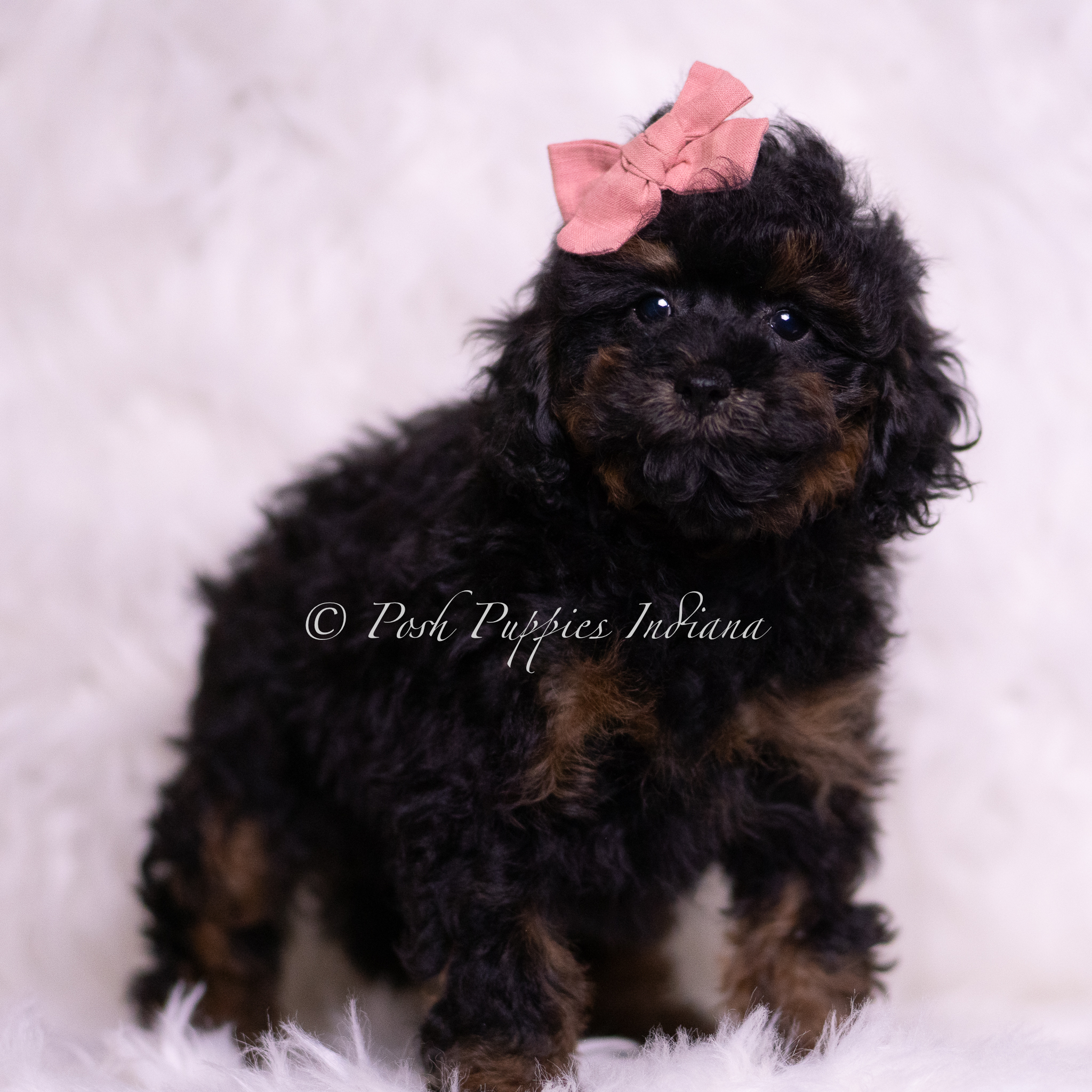
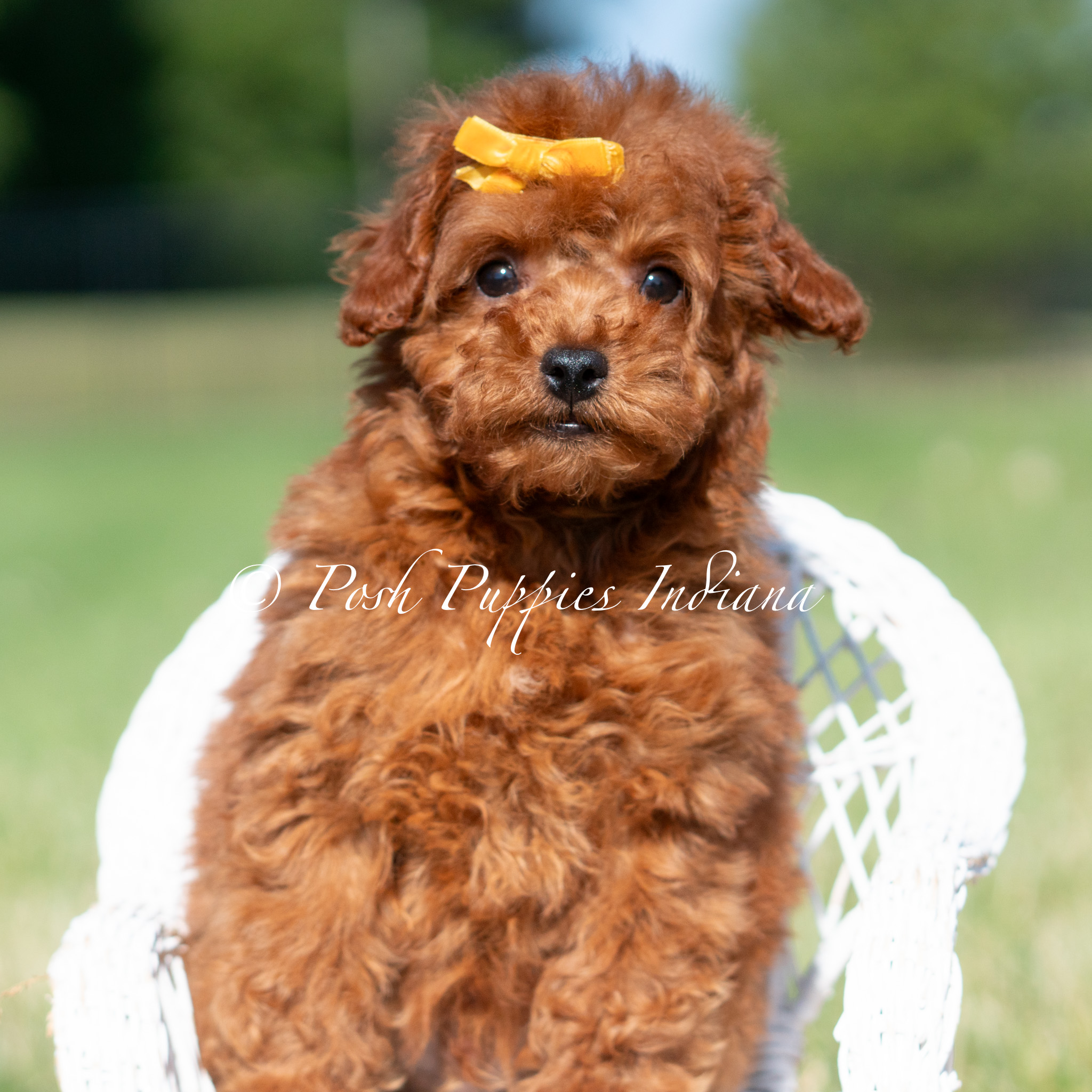
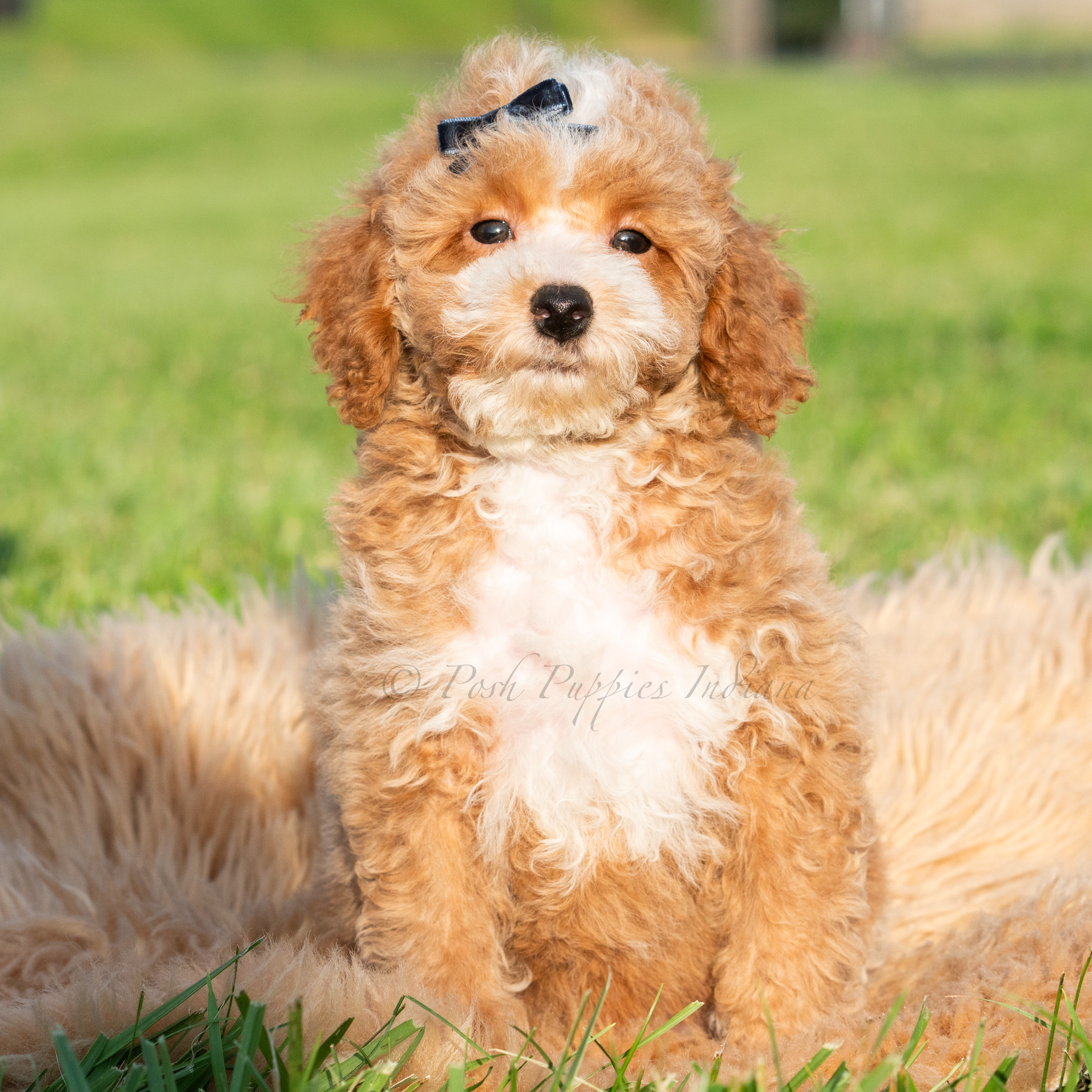
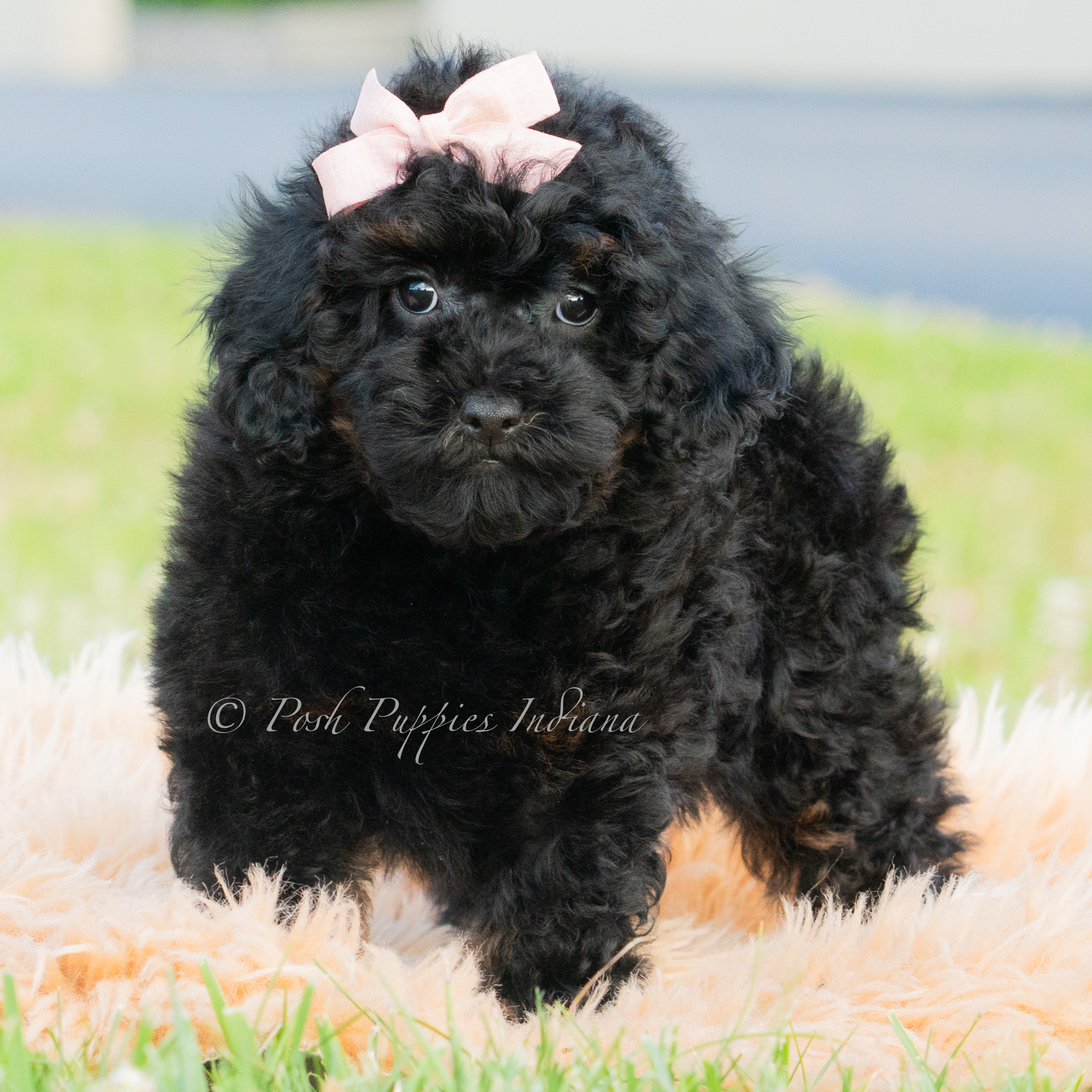
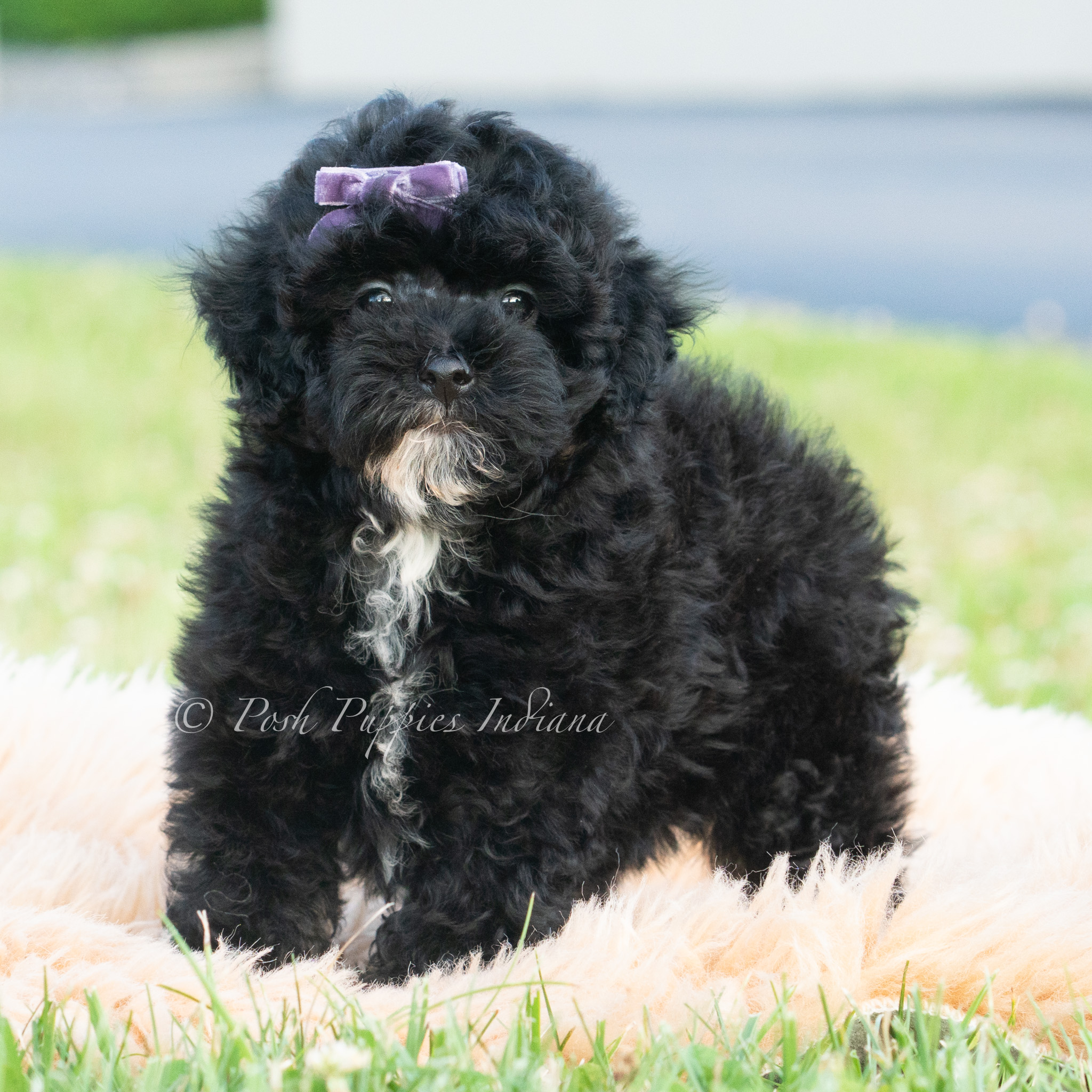
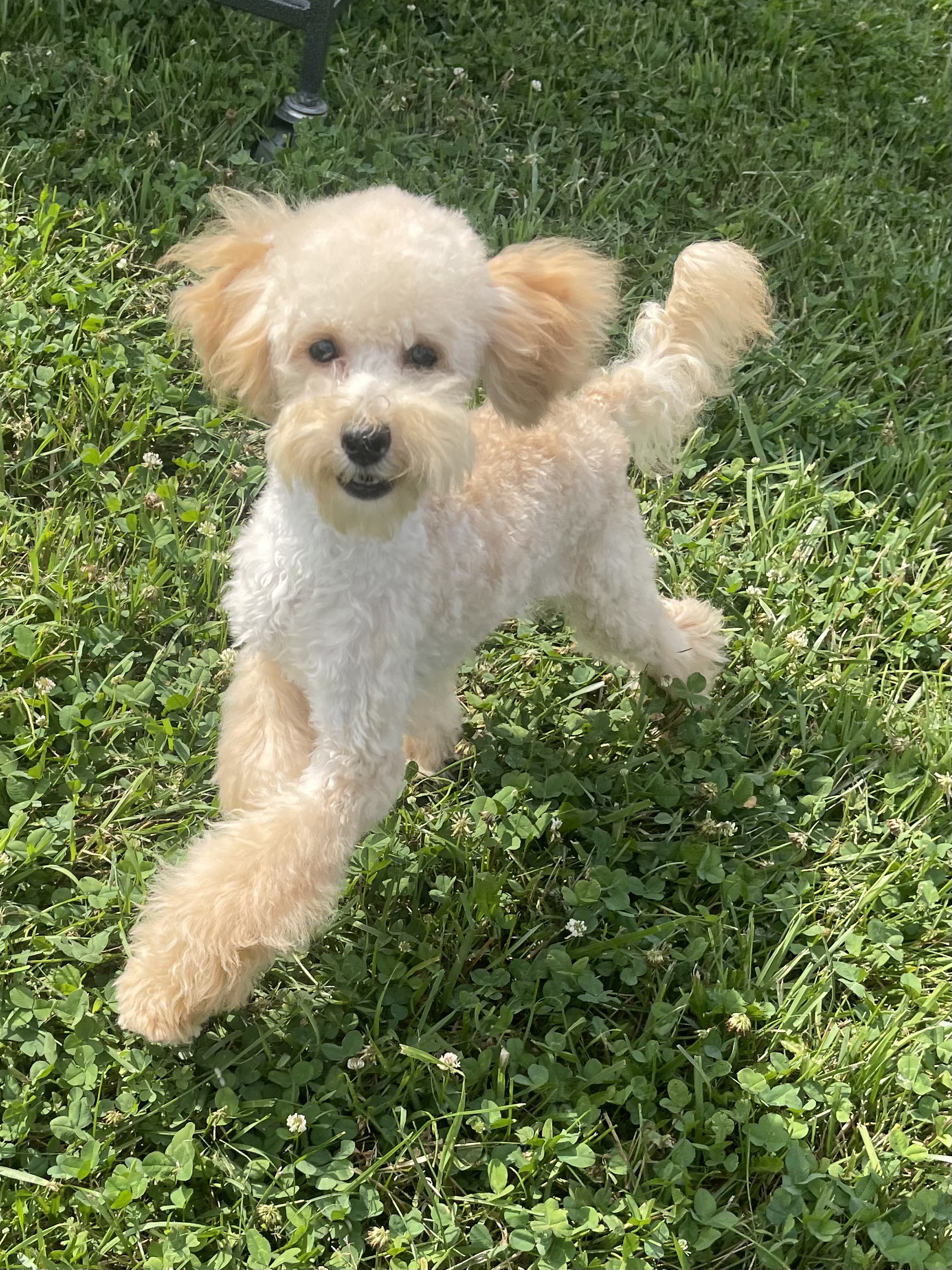
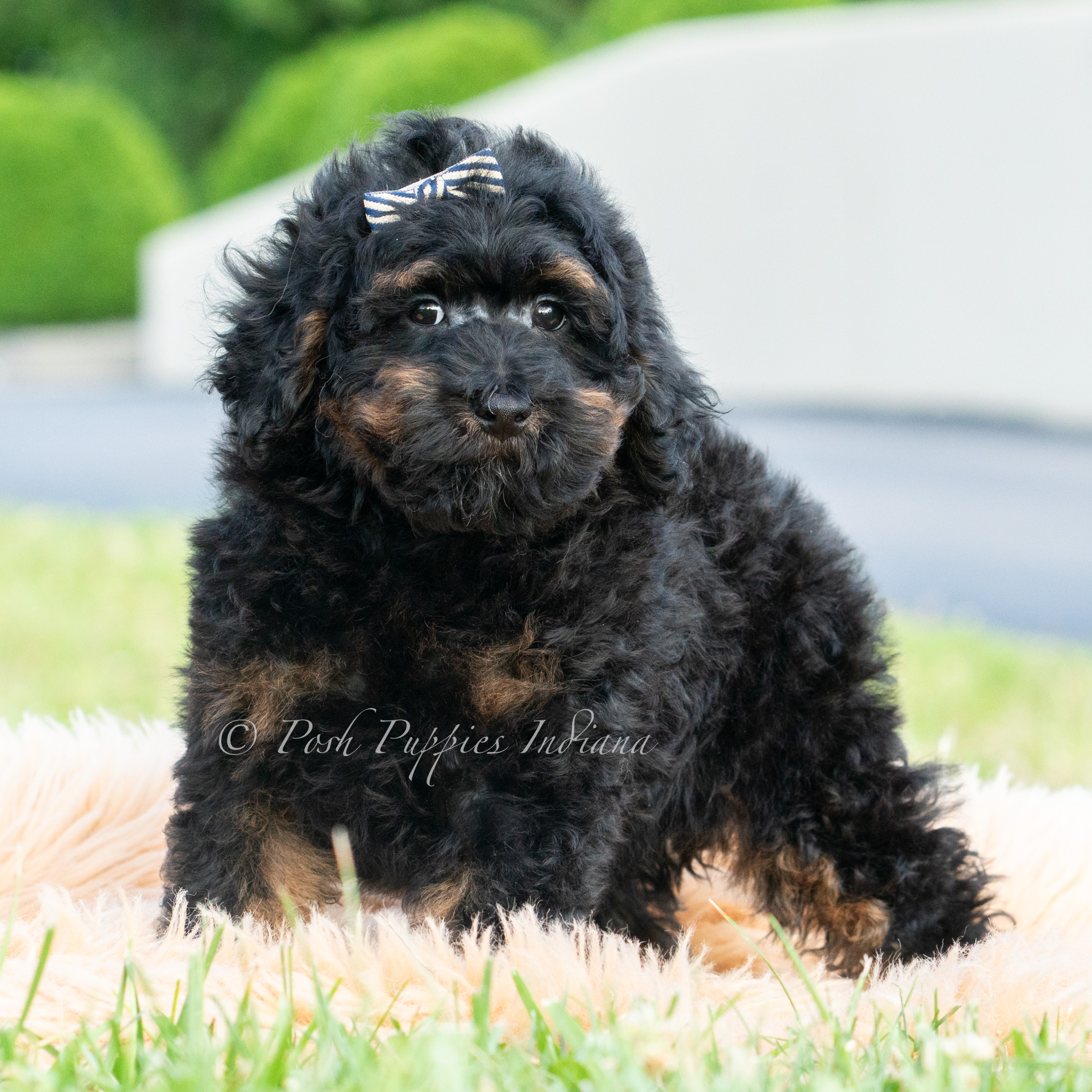
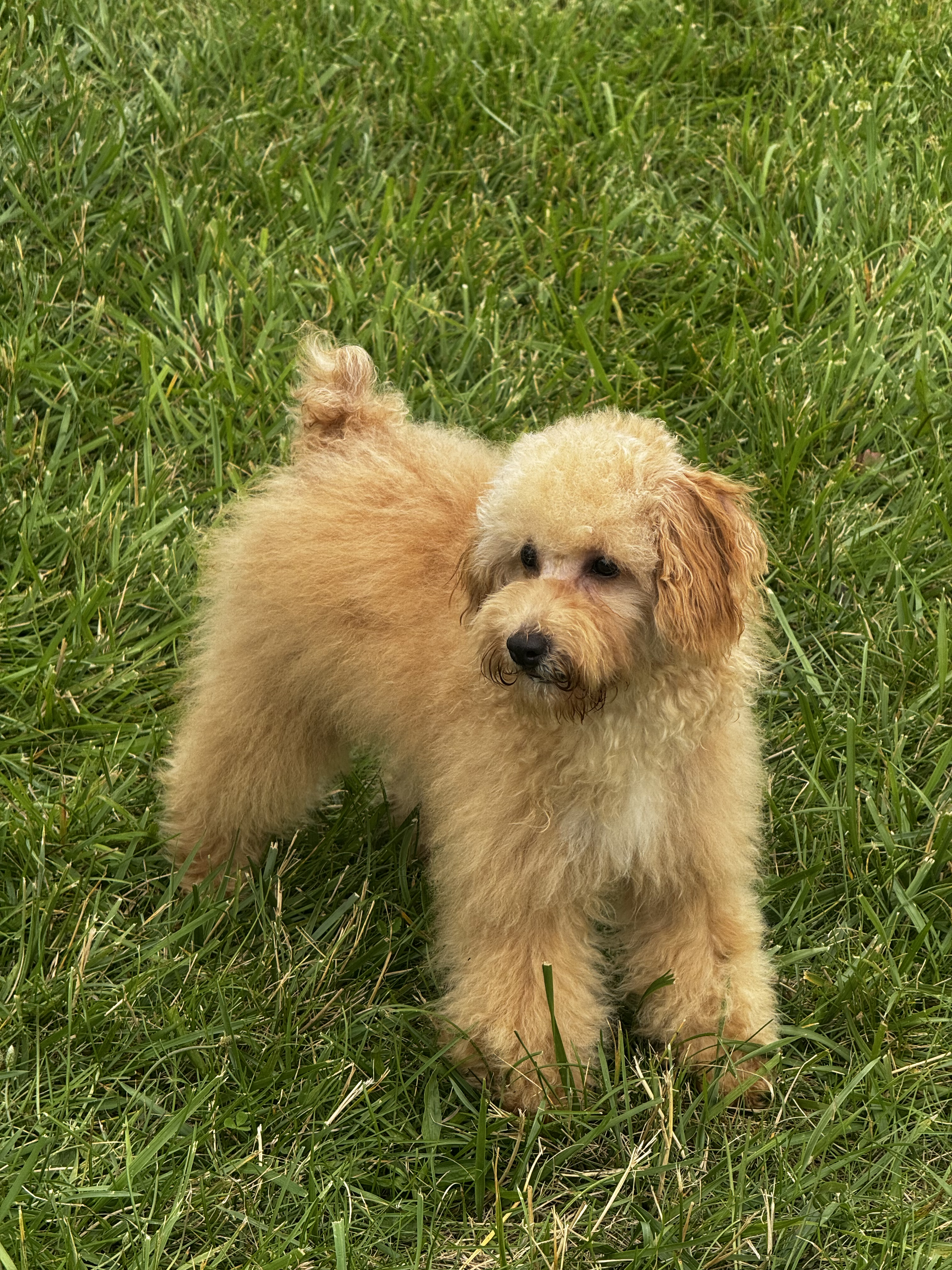
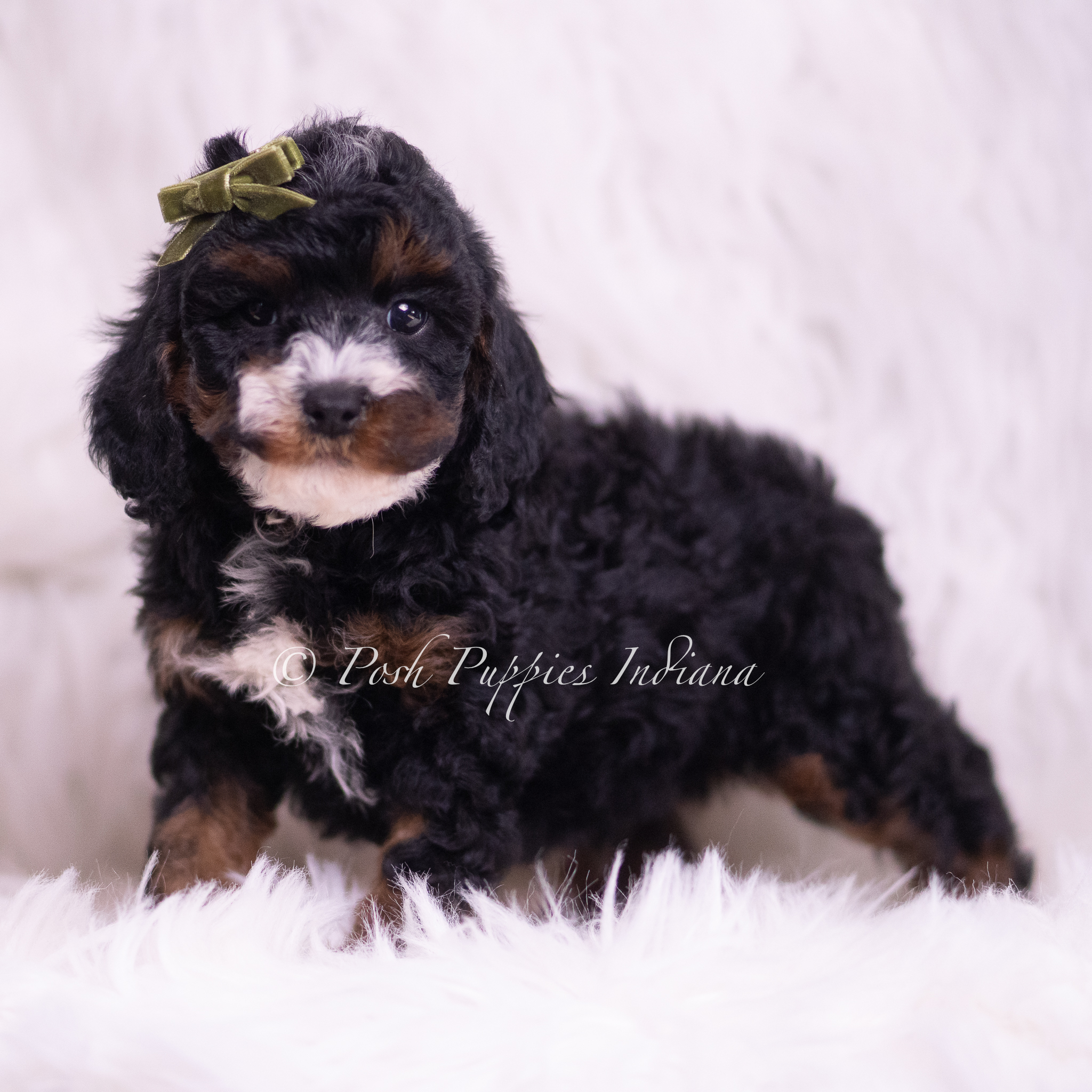
Poodles are bred in a broadest spectrum of colors. The AKC recognizes the following solid colors: apricot, black, blue, brown (chocolate), café au lait, cream, gray, red, silver, silver beige, and white. In addition, the AKC recognizes several pattern types including parti (white base with patches of a second color), phantom (a specific two-color pattern with defined markings above each eye, on the muzzle, throat, chest, lower legs, and under the tail), sable (dark-tipped hairs over a lighter base), abstract (small white markings on a solid dog), and brindle.
A few notes that buyers often find helpful: apricot and red are among the most popular colors in Toy and Miniature Poodles and can results in higher prices. Silver and silver beige Poodles are born dark (black or brown) and "clear" (lighten) to their mature color over the first one to two years. Parti-color Poodles are not permitted in AKC conformation show competition under breed standard but are fully AKC-registerable and genetically purebred. Blue Poodles are not blue in the literal sense — they are a dilute black that has a distinctly bluish cast in certain light.